
Contact | Free MRI review
1-800-533-7313
Auto Font Resizer
Decrease font sizeDefault font sizeIncrease font size

Spinal Stenosis

    Frequently Asked Questions

    What causes spinal stenosis?
    How is spinal stenosis diagnosed?
    Do I need surgery for spinal stenosis?
    more faqs »

    General Information

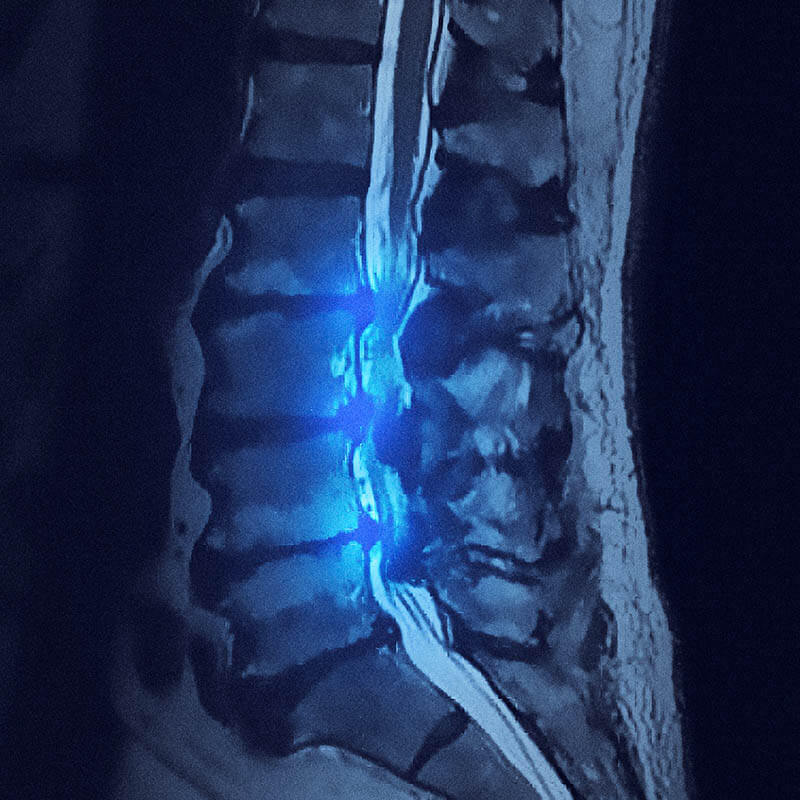
    Spinal Stenosis is a common and potentially crippling condition affecting most of us to some extent as we get older. It can occur anywhere in the neck, middle, or lower spine. Although there are many types and causes of spinal stenosis, the most common occurs over the age of 60, affecting women slightly more than men. We all will to some extent develop a degree of spinal stenosis as part of the normal aging process. However, most of us will not be aware of this potential problem. However, once it becomes symptomatic, it is difficult to alleviate the symptoms completely.

    Symptoms

    You can think of spinal stenosis as “angina of the spine”. In spinal stenosis, the spinal canal becomes narrowed to the point that the micro-circulation to the spinal cord and spinal nerves are compromised. This causes a variety of symptoms including back pain, sciatic nerve pain, numbness, weakness, balance problems, a flexed forward posture, difficulty walking any distances, and/or any combinations of these. In severe cases, muscle atrophy along with bowel and bladder disturbances may develop. Spinal stenosis is also called the great masquerader since it can mimic several other conditions such as peripheral vascular disease, neuropathy, large joint problems, or central nervous system disorders.

    Just like all other medical conditions, the key to successful treatment is early diagnosis. With a correct diagnosis, you can be sure that there are no other underlying problems that will cause more serious symptoms in the future. If you have any questions or concerns you would like answered, please feel free to contact Dr. Biscup and he will be happy to answer them for you.

    Learn about Spinal Stenosis treatment options.

    Treatment

    Frequently Asked Questions

    Do I need surgery for spinal stenosis?
    more faqs »

    The evaluation and diagnosis of spinal stenosis requires a team approach if necessary, to accurately determine the exact cause of the condition. This is critical in outlining the most appropriate treatment program including the use of certain medications, physical therapy, intervention pain procedures, and/or surgery.

    Most cases of spinal stenosis can be managed without surgery. Further, a comprehensive and multidisciplinary treatment plan that looks at the patient as a whole will produce the best and most lasting results. This is especially true in an aging population where maintaining an active lifestyle is important for ongoing general health and well-being. Spinal stenosis is a very crippling problem, but a very treatable problem.

    Non-Surgical Treatments

    Pain Management

    Surgical Treatments

    OTC Medicine
    Massage and Massotherapy
    Traction
    Water Exercises
    “Core” Exercise program Including Pilates and Yoga
    Aerobic Conditioning and Personal Training
    Rx Medication
    Selective Nerve Block
    Caudal-Epidural
    Epidural
    Transforaminal Epidural
    Facet Block and Radio Frequency Nerve Ablation
    Laminotomy
    Laminectomy
    Laminaplasty
    Transforaminal Micro Decompression
    Microdecompression Laminaplasty
    Micro Endoscopic Decompression – MED
    Indirect Spinal Distraction Decompression – X-Stop
    Spinal Fusion With Instrumentation and Implants
    Laser Facet Ablation


    If surgery is required, what is the best approach? The traditional operation includes a laminectomy (removing the entire backside of the spinal canal) with or without a spinal fusion (including the use of rods, plates, screws, and fusion cages). These are large and complex surgical procedures especially in an older patient population. By removing a great deal of bone from the spine to free up or decompress the spinal nerves, surgeons are concerned that the spine will become unstable and further problems develop. A spinal fusion helps address those concerns.

    A minimally surgical approach for the treatment of symptomatic spinal stenosis is available avoiding the need to perform larger and more aggressive operations. The surgery is performed using micro or endoscopic techniques through very small incisions incorporating the use of microscopic instruments, drills, and lasers. The surgery can be performed under local or spinal anesthesia and requires only an overnight stay in the hospital. The success rate is 85-90% and patients can return to most normal activities within a month after surgery including golf and other recreational sports.

    The traditional larger operation can always be performed later if necessary. Only a limited number of spine surgeons perform this type of surgery.